Separate Receiving From Transmitting
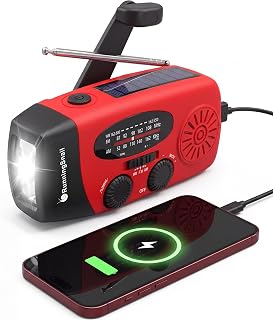
A weather receiver helps you listen to broadcasts. A two-way radio is used for communication with compatible users. Check the model’s exact services and capabilities rather than relying on “emergency radio” in a title.
Check Requirements for Your Radio
Read the manufacturer information and the current rules for the service you intend to use. Some radio use requires a license. Do not assume a programmable radio is permitted on every frequency it can tune.
Treat Range as Situational
Buildings, hills, vegetation, antennas, and other conditions affect communication. Compare power options and practical usability as well as advertised range. Agree on a communication plan with the people who will use the equipment.
Keep Direction Tools Familiar
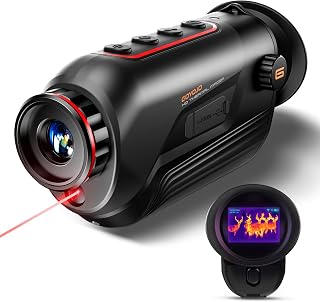
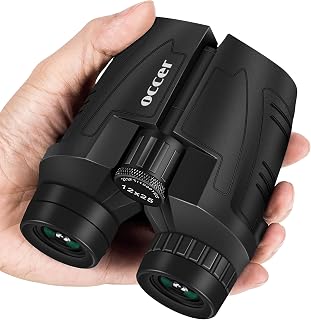
A compass is most useful with a suitable map and the knowledge to use both. A whistle and optics serve different tasks. Practice with the equipment in ordinary conditions and keep instructions accessible.
Put the Plan Before the Purchase.
Choose one gap in your supplies, compare suitable options, and learn the equipment before you store it.
Try the Gear Finder →