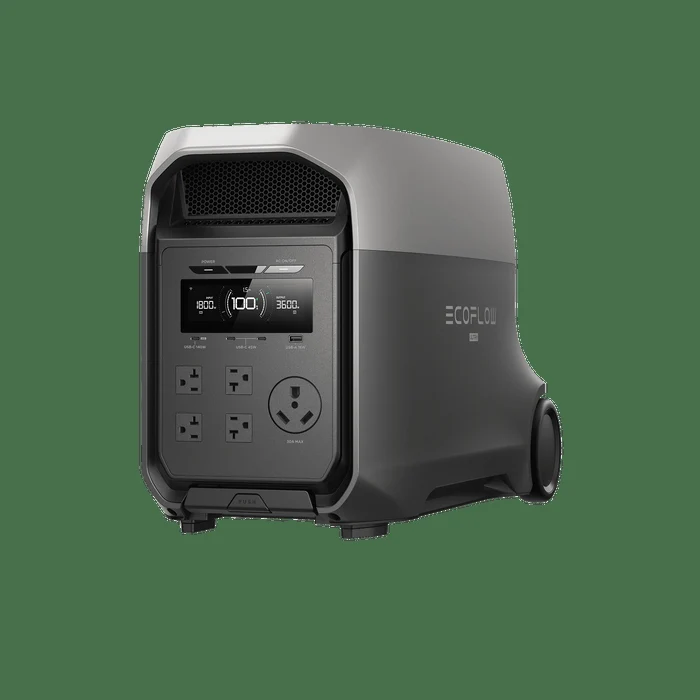
The word Ultra doesn't decide whether a station fits an outage plan. The EcoFlow DELTA 3 Ultra Portable Power Station (3072Wh) has a substantial 3,072Wh reserve, but the useful comparison still starts with which loads will be supplied and for how long.
Rated Output Before Special Modes
EcoFlow lists 3,600W continuous output and a 7,200W surge claim. I'd compare those against normal and starting demands for the equipment. The higher X-Boost figure is a conditional mode, not a general replacement for the ordinary rating.
- Base capacity: 3,072Wh.
- Rated output: 3,600W.
- Surge: 7,200W.
- Charging routes: Four are described for the standard Ultra.
Refill Time Belongs to the Input Used
The published description lists 0-to-80-percent charging in eighty-nine minutes from specified wall or generator arrangements. That shouldn't be applied to a different input setup. A multi-day plan needs enough incoming energy to replace what the important loads consume.
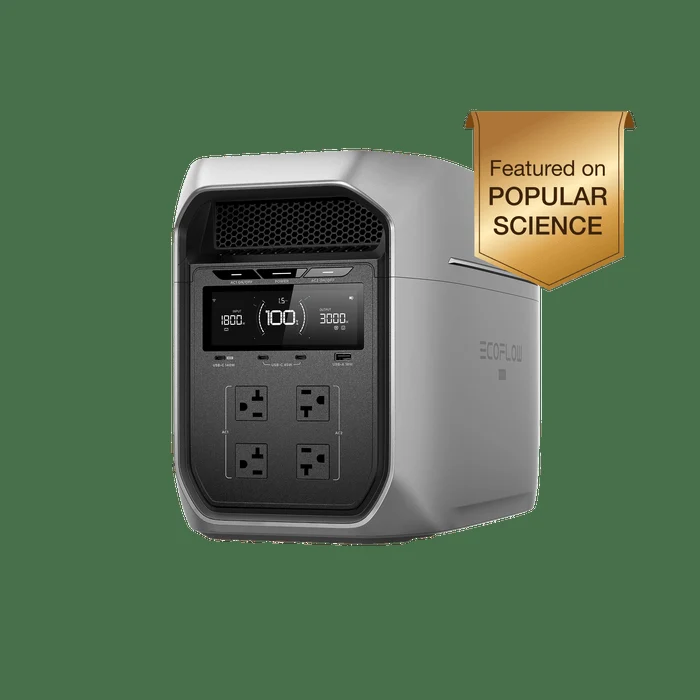
I'd compare the Plus version only if its additional charging or management features solve a real limitation. Extra features have less value when the standard arrangement already fits the available sources.
Connect It to the Home Properly
The manufacturer describes manual-transfer-switch and inlet-box options. Household wiring needs appropriate equipment and installation. A power station is not a reason to improvise a connection through an ordinary wall outlet.
App controls and a short auto-switch claim may help with monitoring and suitable electronics backup. Test the actual sensitive devices before depending on the transition, and learn basic controls without relying entirely on the app.
I haven't tested DELTA 3 Ultra. I'd compare it for selective home or substantial vehicle-based backup where its output and reserve have a clear role. For a small collection of phone chargers and lights, a much smaller station would be easier to move and refill.
Other Options to Compare
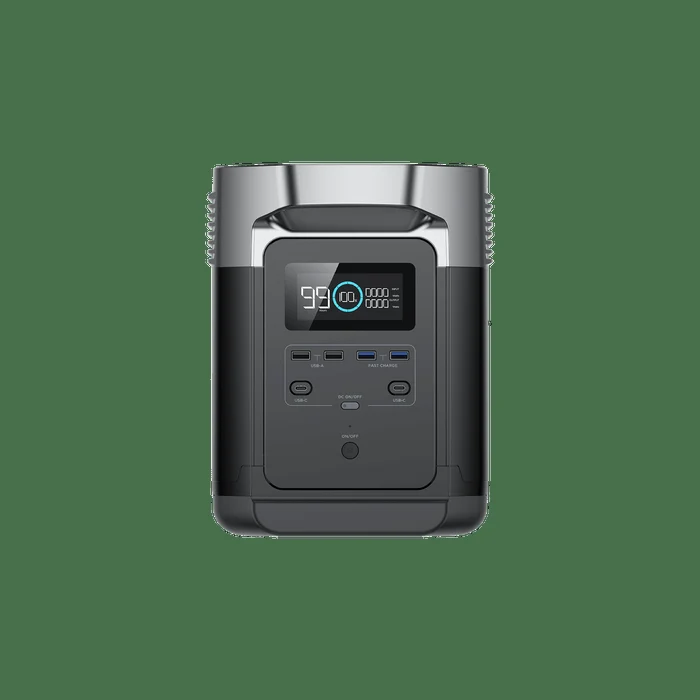
EcoFlow DELTA 1300 Portable Power Station →
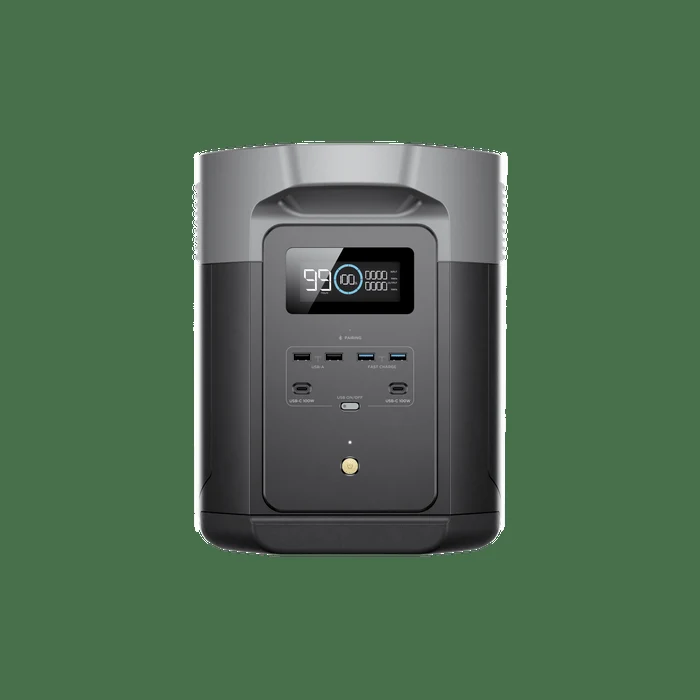
EcoFlow DELTA 2 Max Portable Power Station →