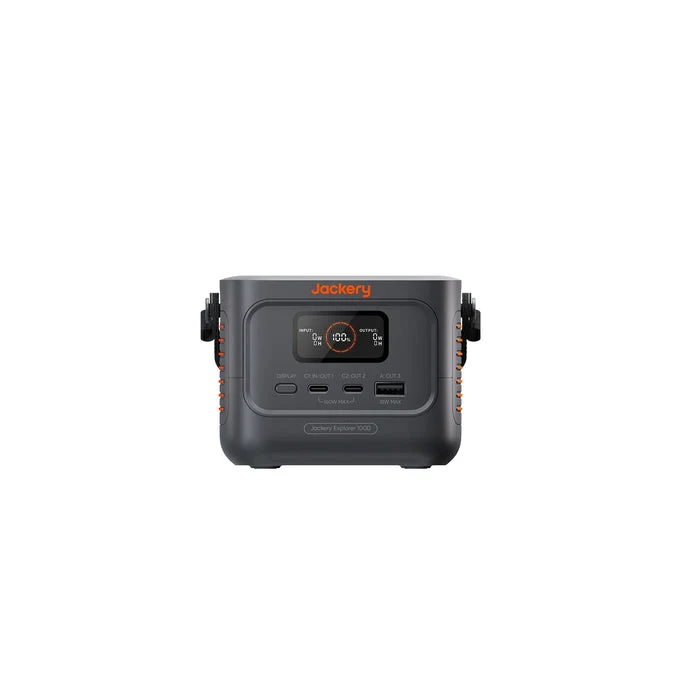
A laptop can need plenty of charging power without needing a household outlet. The Jackery Explorer 100D Portable Power Station focuses on USB output, putting a listed 96Wh reserve behind two USB-C ports and a USB-A port.
USB-C Output Is the Main Argument
Jackery lists up to 140W from one USB-C port with supported charging protocols. That could be useful for a compatible laptop, but the device and cable must accept the required profile. A 140W label isn't a guarantee that every laptop charges at that rate.
- Battery energy: 96Wh.
- Ports: Two USB-C and one USB-A.
- Combined maximum: Up to 158W is described.
- Cell chemistry: LiFePO4.
A Mobile Work Setup, Not a Kitchen Backup
I'd compare it for a laptop, phone, and camera workflow where direct USB charging covers the equipment. Those devices may share the total output, so check the port-allocation chart before planning simultaneous maximum-speed charging.
The battery reserve doesn't equal the energy delivered to devices. Conversion losses and the equipment's own use while charging affect the result. I'd avoid a guaranteed number of recharges for a particular phone.
Several Recharging Routes
The manufacturer describes compatible solar, car, and high-power USB charging arrangements. Those options involve specific input limits and accessories. Confirm the exact required adapters and what comes in the package before adding a panel or vehicle charging source.
For a daily work bag, physical size and carrying style may matter as much as capacity. A smaller bank could suit a short commute, while this class offers more reserve for longer days.
This review is based on published specifications. I'd compare Explorer 100D for someone whose equipment is largely USB-powered and who wants strong compatible USB-C output. For AC-only appliances, begin with a station explicitly providing the required outlets and ratings.
Other Options to Compare
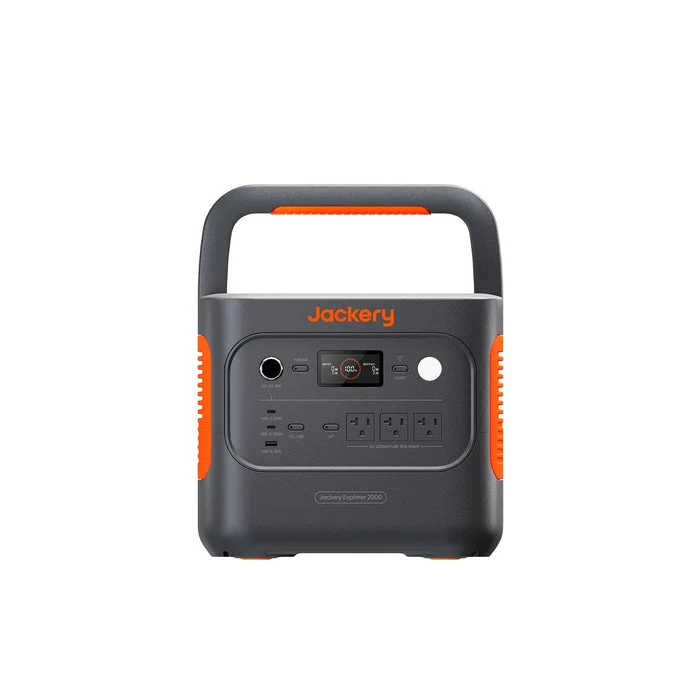
Jackery Explorer 2000 v2 Portable Power Station →
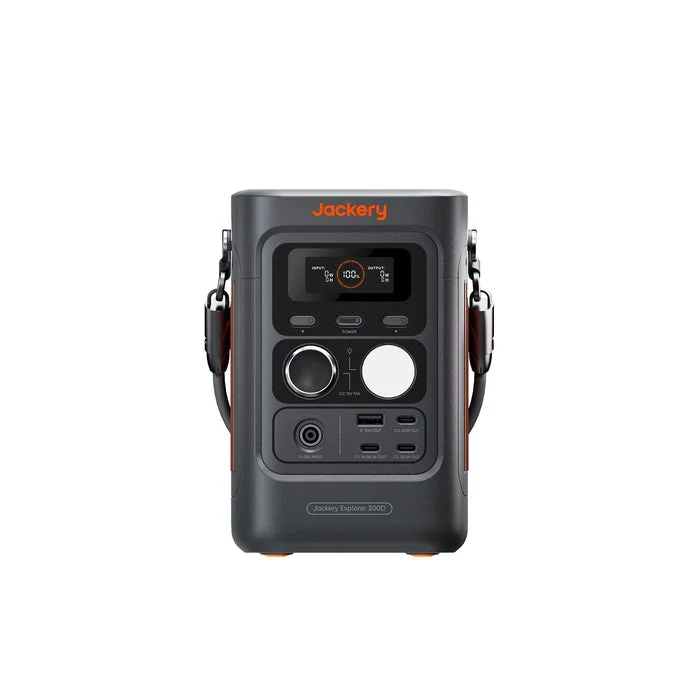
Jackery Explorer 300D Portable Power Station →