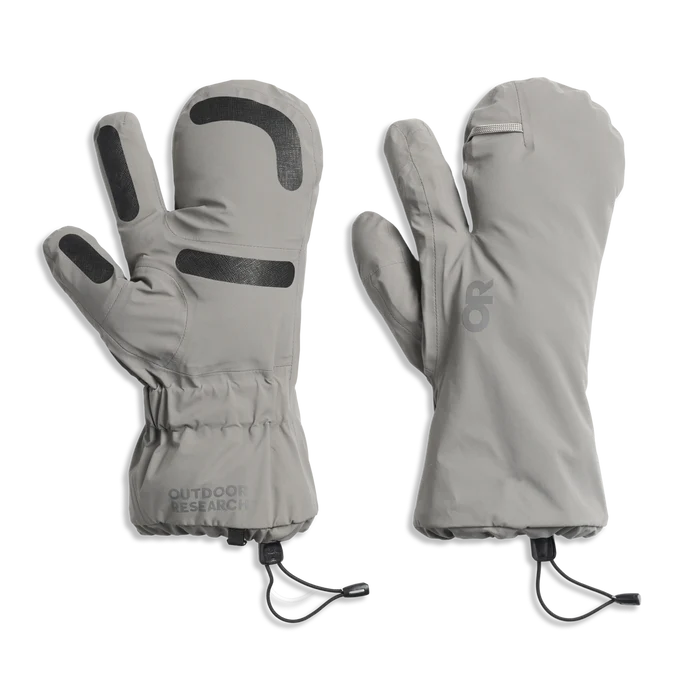
A shell mitt is easiest to judge with another glove beside it. The Outdoor Research Lightweight TF Shell Mitt is an outer handwear option, so I'd start by considering what, if anything, I plan to wear inside it.
The name identifies a lightweight shell format. The available details don't establish its full weather construction, so I'd verify the exact fabric, seams, and intended use rather than supply those claims from the name.
The Basic Role
- Shell-mitt format.
- Lightweight product positioning.
- Outer layer to compare with the intended handwear system.
Check the dimensions and sizing guidance with the inner layer in mind. A mitt that fits a bare hand may not leave sensible space around another glove, while excessive loose fabric can be awkward to handle.
The Tradeoff Is Dexterity
Keeping the fingers together is a different experience from using a glove. Buckles, zippers, and small controls may require you to adjust the way you work or remove the mitt briefly.
Try a few ordinary tasks before deciding where it belongs. If you need continuous fine finger control, a shell mitt may be a supporting piece for breaks or exposed sections rather than the only handwear you carry.
What I'd Verify Before Buying
I'd read the manufacturer's actual weather claims and how the cuff works with a jacket. Those details affect the overlap at the wrist, which can be the weak point of an otherwise comfortable setup.
This mitt makes sense to consider when a separate outer hand layer solves a particular problem and its fit works with your existing clothing. If you want a complete insulated glove for regular tasks, compare that category directly. The useful reason to buy a shell is compatibility and a documented protective role, not the assumption that every mitten includes the same insulation or waterproofing.
Other Options to Compare
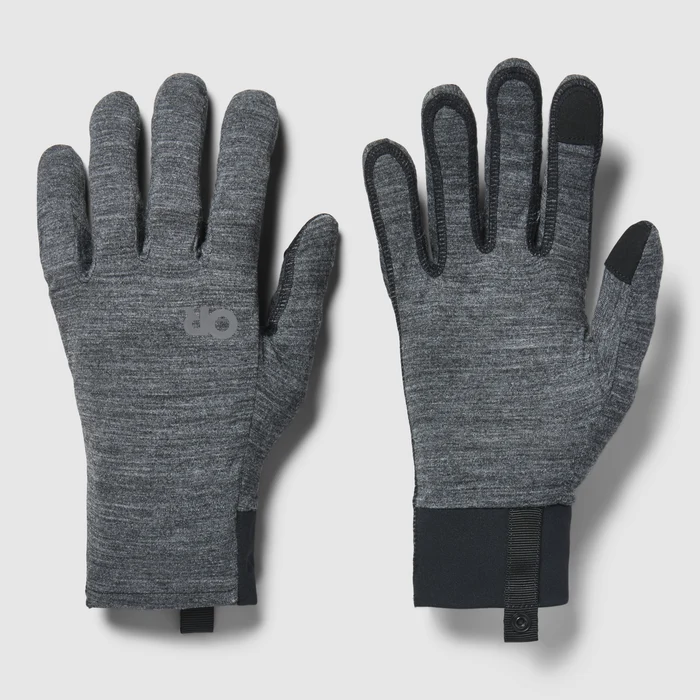
Outdoor Research Alpine Merino 150 Glove →