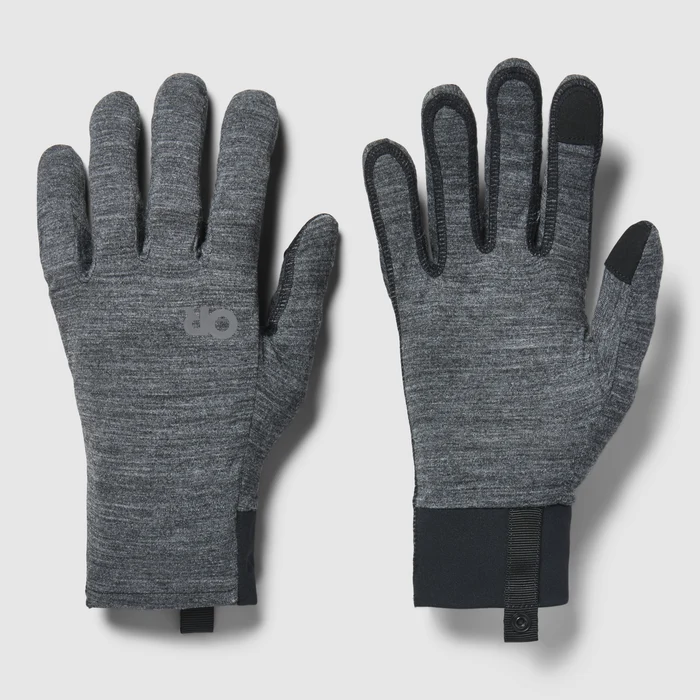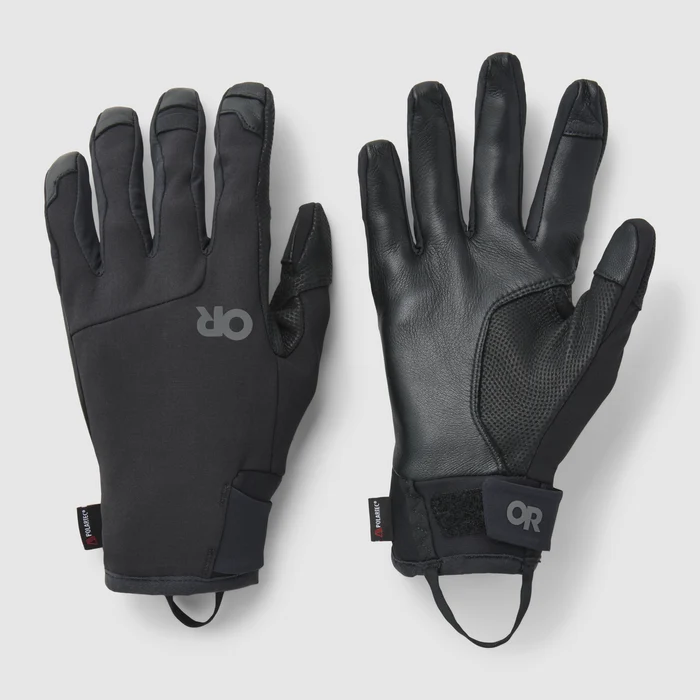
Wind can make a light glove feel very different from the same glove indoors. The Outdoor Research Mixalot Glove includes a windproof description alongside fleece material information, making that outer exposure a specific reason to compare it.
I'd read how the windproof construction is implemented on the current model. A useful feature needs to be understood as part of the whole glove, not just a single word on a list.
The Distinguishing Details
- Individual-finger glove shape.
- Fleece material information.
- Windproof design description.
Check the palm, cuff, and closure specifications too. These affect how the glove feels on a grip and how it connects with your jacket.
Match the Glove to the Work
A glove can offer separate fingers without making every task easy. Try ordinary movements and see whether the size leaves loose material at the tips or feels tight through the knuckles.
I wouldn't assume impact, cut, or workplace protection from an outdoor glove description. If a job requires certified protective equipment, compare that specific category rather than stretch the Mixalot's role beyond its documentation.
Windproof Isn't Every Weather Claim
The windproof wording is useful, but it doesn't automatically establish waterproofing. Check the exact weather guidance before choosing the glove for a wet outing.
I'd consider the Mixalot when wind exposure is the problem I'm addressing and the glove format suits the tasks. The tradeoff to judge is the feel and dexterity of the complete construction compared with a simpler light glove or a more protective outer layer. Buy it for a verified wind-focused role and a comfortable working fit, rather than assume a technical glove name covers every handwear need.
Other Options to Compare
Outdoor Research Alpine Merino 150 Glove →