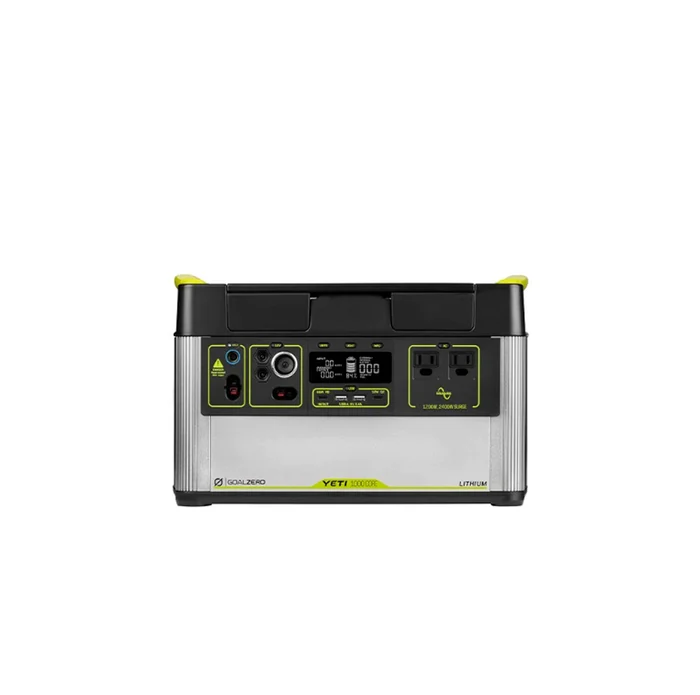
Charging time can change how useful a power station feels between outings. The Goal Zero Yeti 1000 Core is listed with a 120W wall supply and an approximately nine-hour refill, which is a concrete difference from stations built around much faster input.
The Included Charger Sets the Starting Point
Goal Zero describes an optional 230W supply that can shorten charging to roughly four and a half hours under its stated conditions. That is a separate accessory, so I'd price the setup actually wanted rather than compare the optional time as though it were included.
- AC inverter: 1,200W.
- Surge rating: 2,400W.
- USB-C PD: 60W is described.
- Supplied wall charger: 120W.
Connections for a Mixed Setup
USB-A, USB-C, regulated 12V, and two AC outlets give options for different equipment. Direct DC or USB charging may avoid a wall adapter when the device supports it. Check each output's voltage and power limits, along with the combined restrictions.
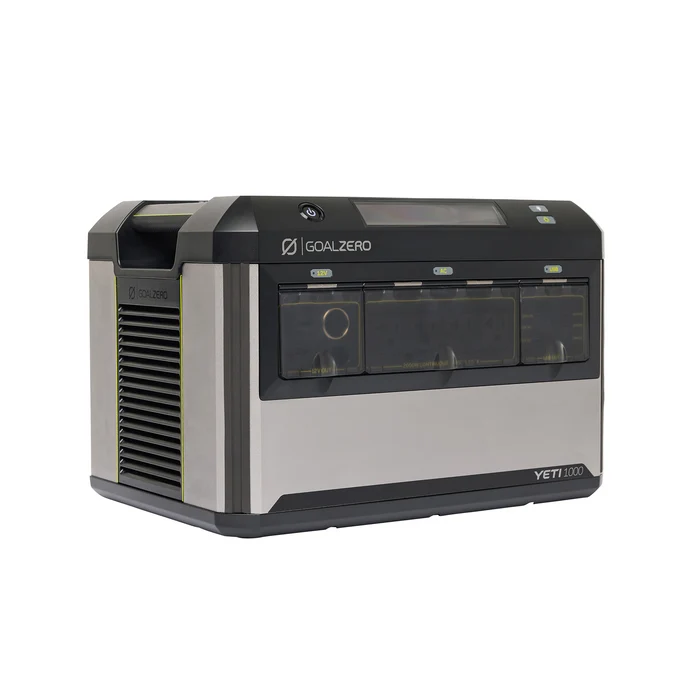
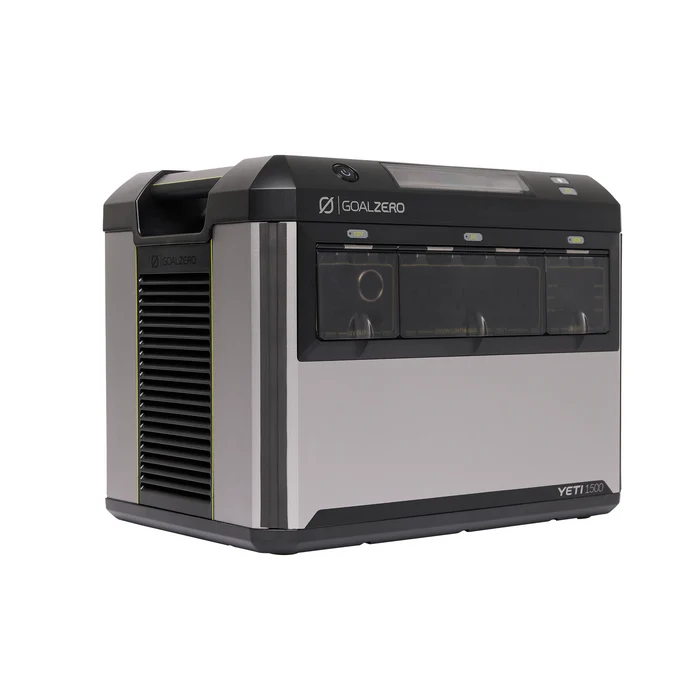
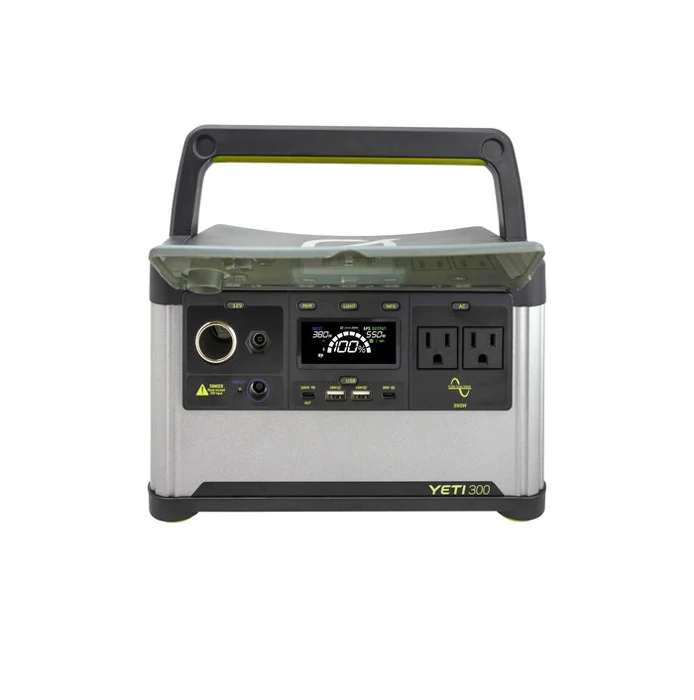
The 1,200W inverter is not the same rating as the newer current-generation Yeti 1000. I'd keep the Core name and model identifier attached to every specification and accessory choice.
Capacity Needs Clean Model Information
The Core should be checked against its own manual rather than specifications for another Yeti generation. Capacity, charging accessories, and outputs need to match the exact unit being purchased. I’d verify the model label before planning the energy reserve.
A station used occasionally may refill overnight without inconvenience. A station used repeatedly during short charging windows needs a more deliberate input comparison.
I haven't tested the Yeti 1000 Core. I'd compare it for someone who values its connection options and can accommodate the refill routine. If rapid turnaround is central, compare the included charging setup carefully with newer stations before choosing.