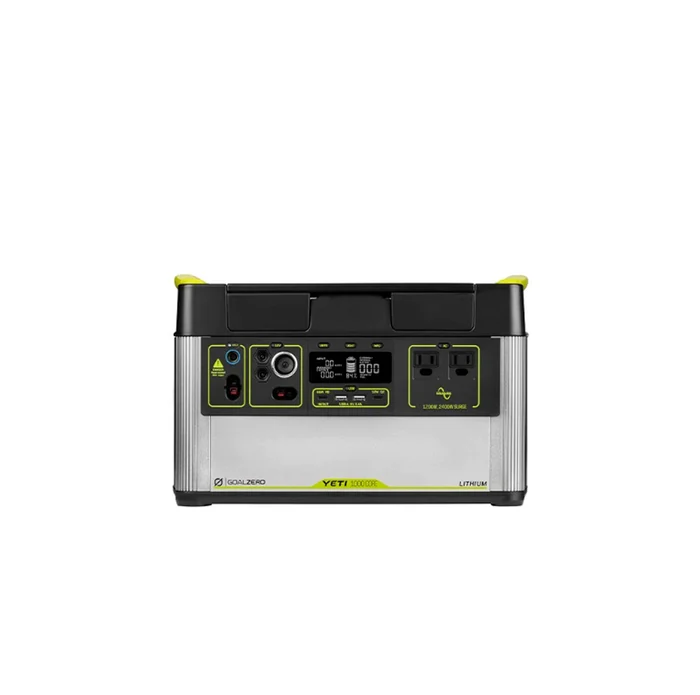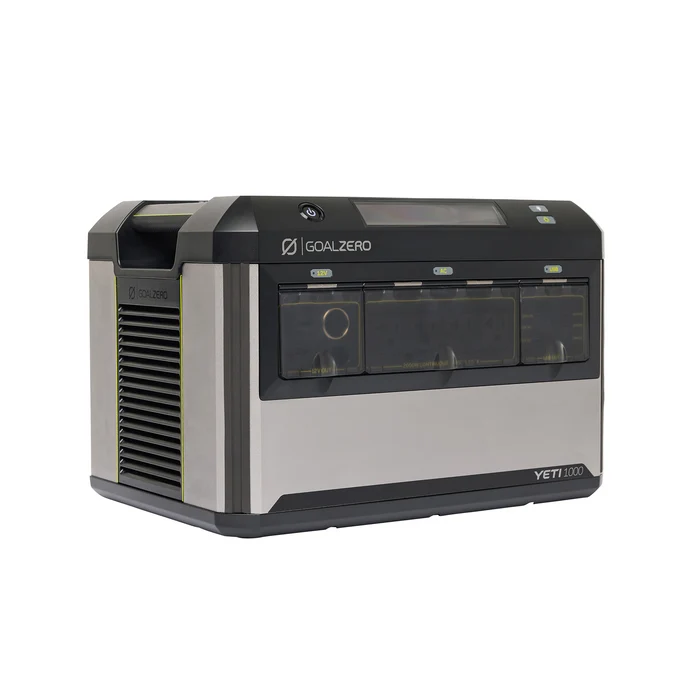
A power station can be strong enough to start an appliance and still have a limited amount of time to run it. The Goal Zero Yeti 1000 illustrates that distinction with a roughly 998Wh battery and a 2,000W continuous AC inverter.
Output and Runtime Are Separate Decisions
The inverter rating is useful when comparing what can be plugged in, including brief starting demands. The battery capacity is the reserve those loads share. I'd list the essential devices first, then decide which need to operate together and which can be used one at a time.
- Generation reviewed: The current 998Wh LFP model.
- AC rating: 2,000W continuous.
- Surge rating: 3,600W on the manufacturer page checked.
Don't Borrow Specifications From Another Yeti
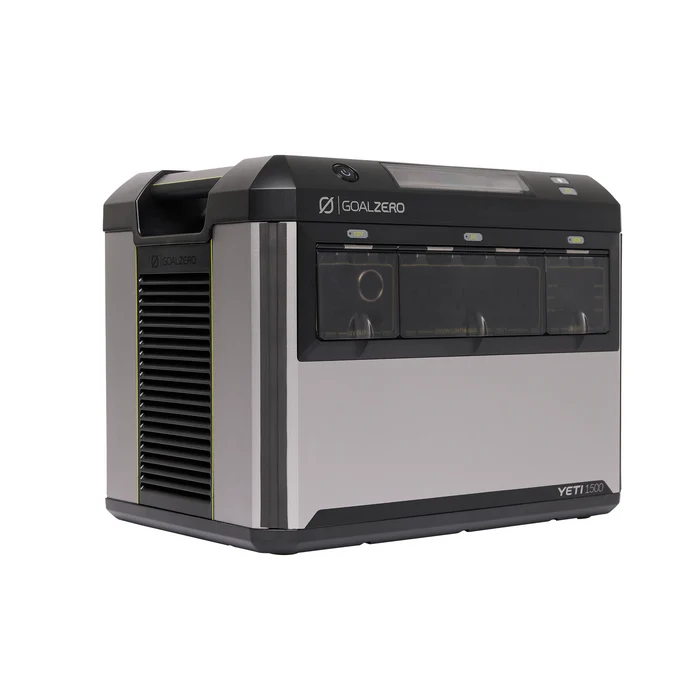
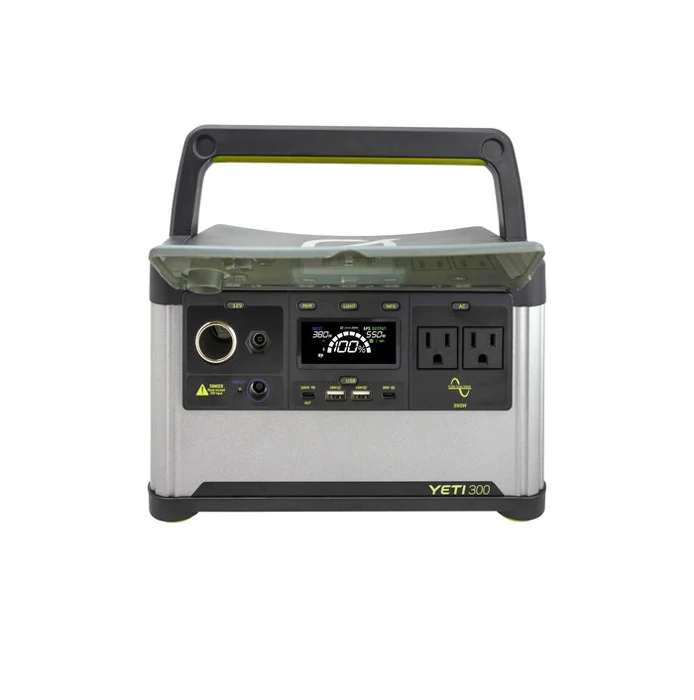
Goal Zero has used similar Yeti names across generations. The older 1000, 1000X, and 1000 Core should not be treated as the same product. I'd match the capacity, model identifier, outlets, and charging inputs to the actual unit being purchased.
That is particularly important with accessories and spare cables. A connection that suits another generation isn't automatically the right arrangement here.
Plan the Refill Before the Outage
A station in this class can use energy quickly with a substantial appliance. Fast wall charging is useful when power is available; solar input depends on compatible panels and conditions. I'd compare the complete charging setup instead of assuming a battery solves a multi-day energy shortage on its own.
For routine phone and laptop charging, a smaller station or bank may be easier to carry. This model makes more sense when AC appliance output is genuinely needed.
I haven't tested the Yeti 1000. This review uses the current manufacturer specification and deliberately keeps different-generation figures separate. I'd shortlist it for selective home or vehicle-based backup, with a realistic device list and a clear replenishment plan.